The search, p.31
The Search,
p.31


Sessions, Hudson, 92
7 Habits of Highly Effective People, The (Covey), 23
sexual harassment, 74
Sforza, Ludovico, 47
shape-shifting, 147
Shark Tank, 166
Shaw, George Bernard, 83
Shaw, Pauline, 42
ShearShare, 176
shelter, 180, 185, 191
Sherr, Sara, 210
Shut Up and Run, 268
side hustle, 91–92
sidewalks, 290–91
Simpsons, The, 86
Sinclair, Upton, 48
skills, 54
slavery, 35, 36, 118, 128
sliding glass doors, windows, and mirrors, 241
Smalls, Michael, 126–29, 210, 234
Smart, Leah, 141, 277, 301
Smith, Shelby, 79, 163–64, 216
Smithsonian Institution, 184, 264, 276
Sound of Music, The, 190, 191
Soviet Union, 204, 206, 207
Spatrisano, Issa, 37–40, 65, 100, 271, 296
Spaulding, Laura, 149–52, 192, 250
Spaulding Decon, 151–52, 250
speaking and communication styles, 125
Spence, Harry, 160–61
Spielberg, Steven, 189
Springsteen, Bruce, 244
status versus story, 295–96
Steinbeck, John, 22
Stephens, Vivian, 183, 184
Stepto, Robert, 135–36
story, storytelling, 6, 87, 88, 129, 153, 253–58
life, 18
Life Story Project, 13, 18–19, 58, 60, 146
status versus, 295–96
see also narratives; success stories; work story
straw, drinking, 290
Stumpf, Bill, 290
success, 4–7, 11, 12, 16, 136
books on, 23
definitions of, 5, 6, 129, 131, 132, 288, 295
emerging kaleidoscope of, 24–26
history of, 116
money and, 75–80, 117, 128, 294, 295
work and life in, 116
writing your own story of, 26–27
Success, 123–24
success, four rules of, 289–91
climbing versus digging, 291–92
individual versus collective, 292–94
means versus meaning, 294–95
status versus story, 295–96
success stories, 12, 111–32, 136, 225, 249
Alger, 118–19
character in, 113–19, 131
Franklin, 111–12, 117
personality in, 119–26, 131
sameness of, 5, 22–24
writing your own, 26–27, 126–32, 154
Sull, Donald and Charles, 233
Sun Microsystems, 138
Supreme Court, 39, 74
T
Tang, Ken, 188–89, 252–53, 293
Taylor, Frederick Winslow, 41, 43
Taylor, Troy, 7–9, 25, 70, 288
Te, Bouy, 93
TED, 53, 235
Terkel, Studs, 24
Thomas, Cornell, 105
Thomas, Danny, 52
time
decisions and, 213–18
see also when
Time, 172
Today, 217
Tomkins, Silvan, 253
tonglen, 195
“toothaches,” 243–44, 248–54
transitional figures, 170
Transportation, Department of, 69, 93
Treehouse, 161
Trotter, Lloyd, 8, 9
Troubled Waters (Abeshouse), 264
Turrentine, Dominique, 194, 272
Turri, Pellegrino, 289–90
typewriter, 290
U
Ukraine, 204, 205
Unapologetically Ambitious (Archambeau), 232
Uncharted, 258
Union Bank, 138
University of California, Berkeley, 290
University of California, Los Angeles (UCLA), 188
University of California, Santa Barbara, 167–68
University of Connecticut, 169
University of Pennsylvania, 179
unknown known, 130–31
V
values, 117, 132, 141
learned from parents, 162–67, 187
role models and, 187–88
Vasquez Heilig, Julian, 100, 175
Vélez-Villar, Eric, 44–47, 65, 79, 210, 295
Venturelli, Nate, 141, 194, 210
Venturelli, Susan, 97, 100, 220, 221
VideoOut, 235
View, The, 219
Vindman, Alexander, 204–7
Vindman, Yevgeny “Eugene,” 204, 206
Vishwananda, Swami, 77
Vocation Bureau, 42–43
Vohs, Kathleen, 152
von Furstenberg, Diane, 174
Vox Media, 96, 105, 149
W
Wagoner, Porter, 101
Walker, Candice, 191–92
Wall Street Journal, 176
Walt Disney Company, 45, 46, 65
Walters, Barbara, 219
Warner, Isiah, 31–33, 70–71, 255
Washington, Elsie, 183
Washington, George, 111
Water Is Wide, The (Conroy), 185–86
Watts, Duncan, 158
waymakers, 167–74
Wecht, Brian, 214
Weinstein, Harvey, 121, 214
Welles, Orson, 295–96
Welty, Eudora, 224, 274
Wharton School, 179
what, 153–54, 179–200, 229, 254, 266
best and worst things about your work today, 190–97
role models in childhood, 185–90
work life in the future, 197–200
What Color Is Your Parachute? (Bolles), 23, 50
What Do People Do All Day? (Scarry), 81–82
when, 153–54, 201–21, 229, 266
being at a moment in life, 218–21
start of work story, 207–12
taking the next step, 212–18
where, 153–54, 223–41, 266
favorite childhood place, 228–32
future place, 237–41
present place, 232–37
White, Alton, 68–69, 104–5, 214, 251
white-collar work, 48, 50, 232–33
who, 153–54, 157–78, 229, 254, 266
parents, in the past, 162–67
waymakers, in the present, 167–74
you, in the future, 174–78
why, 153–54, 243–62, 266
childhood “toothache” and, 248–53
preferred types of stories and, 253–58
purpose right now, 259–62
Wilson, Karléh, 96, 291–92
windows, mirrors, and sliding glass doors, 241
Wizard of Oz, The, 270
women, 23, 24, 47, 99, 105, 118, 149, 219, 233, 291
Black, 23, 24, 105, 168–69, 183–84
workquakes of, 59–61, 71
Wooden, John, 188–89
Woodson, Carter, 182
words related to work, 34–37, 54, 82, 116, 294
work, 10–14, 53, 54
in agricultural economy, 35–37, 40, 41, 47, 58, 82
defining, 34
ethic of, 116
existential crises around, 152, 218
history of, 35–36, 116
industrial and manufacturing, 37, 40, 41, 47, 83
leisure and, 116–17
life and, 63, 70–75, 85, 99, 116
mobility in, 58
knowledge, 40, 48
number of hours engaged in, 82, 83
numbers related to, 34–37, 41, 54, 82, 116, 294
reasons for changing, 193
remote, 233
résumés and, 44, 47, 49–50, 54, 152
schedules of, 83, 88
scripts of, 5, 253–54, 291
scriptures of, 5, 137, 158, 291
success and, 116
360-degree circle of, 85, 97, 106
toxic cultures at, 233
unpaid, 84–85, 92, 95, 97, 99
words related to, 34–37, 54, 82, 116, 294
see also career; jobs
work, bad advice about, 61–80
always keep your eye on the bottom line, 75–80
follow your bliss, 62–65
keep your personal life out of your work life, 63, 70–75
make a ten-year plan, 65–70
Working (Terkel), 24
workquakes, 7, 19, 25–26, 55, 57–80, 136, 144, 149
collective, 233–34
first, 59
nonwork, 71–75
number and frequency of, 59–61
personal archaeology and, 140
questions to ask in, see Kipling questions
superworkquakes, 77–78, 152
work story, 6–7, 35–36, 54, 129–31, 136, 154, 158, 180–81
questions in, see Kipling questions
see also story, storytelling
Work Story Project, 1–27, 71, 136, 244, 302
lessons of, 22–27, 35
Work Story Interview in, 16–19
World Wide Web Consortium, 73
Wright, Chely, 101–3, 192, 209
Wrzesniewski, Amy, 191–92
Y
Yahoo, 135
Yellowstone Club, 166
Yes, and . . . Laughter Lab, 172–73
Yogananda, Paramahansa, 76–77
Young, Kara, 96–97
Young, Michael, 167–70
YouTube, 87–88, 152, 189, 214, 215, 219, 254, 265, 272
Z
Zayid, Maysoon, 50–53
Zelensky, Volodymyr, 205
A B C D E F G H I J K L M N O P Q R S T U V W X Y Z
About the Author
Bruce Feiler is the author of seven New York Times bestsellers, including Life Is in the Transitions, The Secrets of Happy Families, and Council of Dads. His three TED talks have been viewed more than four million times, and he teaches the TED course How to Master Life Transitions. A native of Savannah, Georgia, he lives in Brooklyn with his wife, Linda Rottenberg, and their twin daughters.
What’s next on
your reading list?
Discover your next
great read!
Get personalized book picks and up-to-date news about this author.
Sign up now.
_143790368_
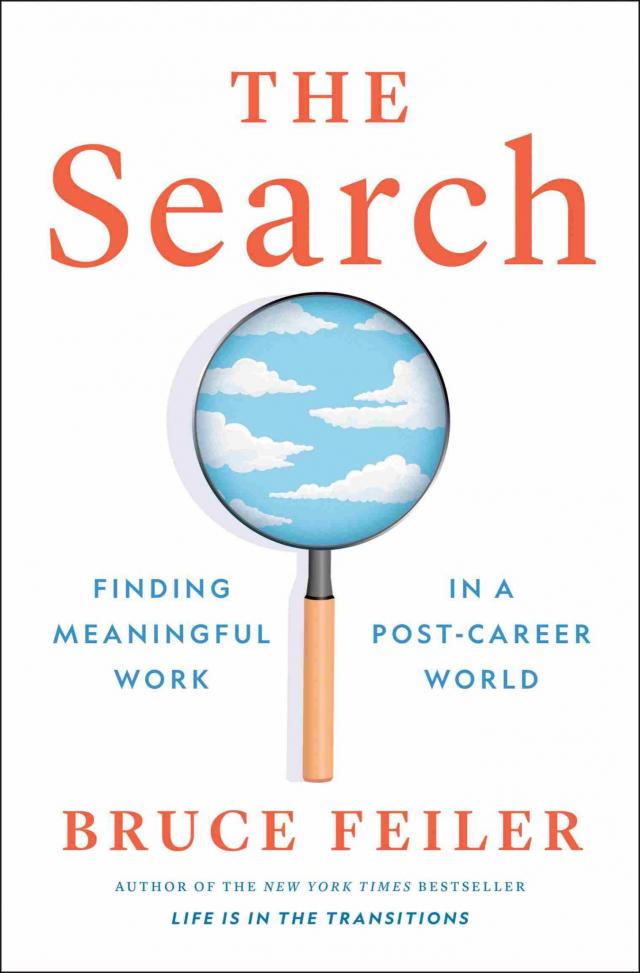
Bruce Feiler, The Search