Caterpillar Dogs

Caterpillar Dogs

Tennessee Williams

Theater

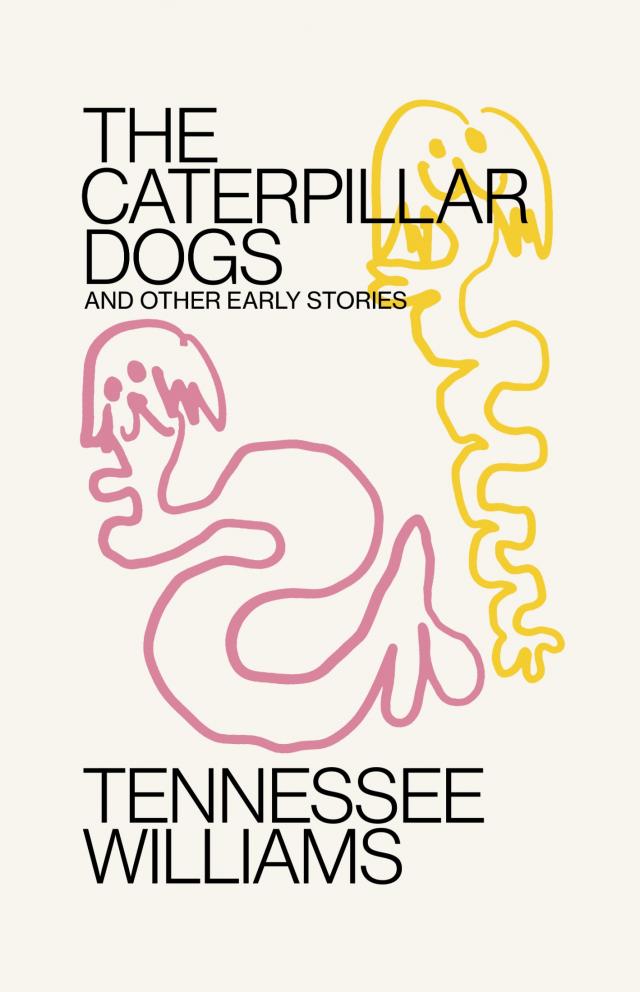
Seven previously unpublished stories of the Great Depression by America's poet laureate of the lostThese tales were penned by one Thomas Lanier Williams of Missouri before he became a successful playwright, and yet his voice is unmistakable. The reliable idiosyncrasies and quiet dignity of Williams's eccentrics are already present in his characters. Consider the diminutive octogenarian of "The Caterpillar Dogs," who may have just met her match in a pair of laughing Pekinese that refuse to obey; the retired, small-town evangelist in "Every Friday Nite is Kiddies Nite," who wears bright-colored pajamas and receives a message from God to move to St. Louis and finally, finally go to the movies again; or the distraught factory worker whose stifled artistic spirit, and just a soupçon of the macabre, propel the drama of "Stair to the Roof."Love's diversions and misdirections, even autoerotic longings, are found in these delightful...
Read online
  • 290
Baby Doll Tiger Tail: A Screenplay and Play by Tennessee Williams

Baby Doll Tiger Tail: A Screenplay and Play by Tennessee Williams

Tennessee Williams

Theater

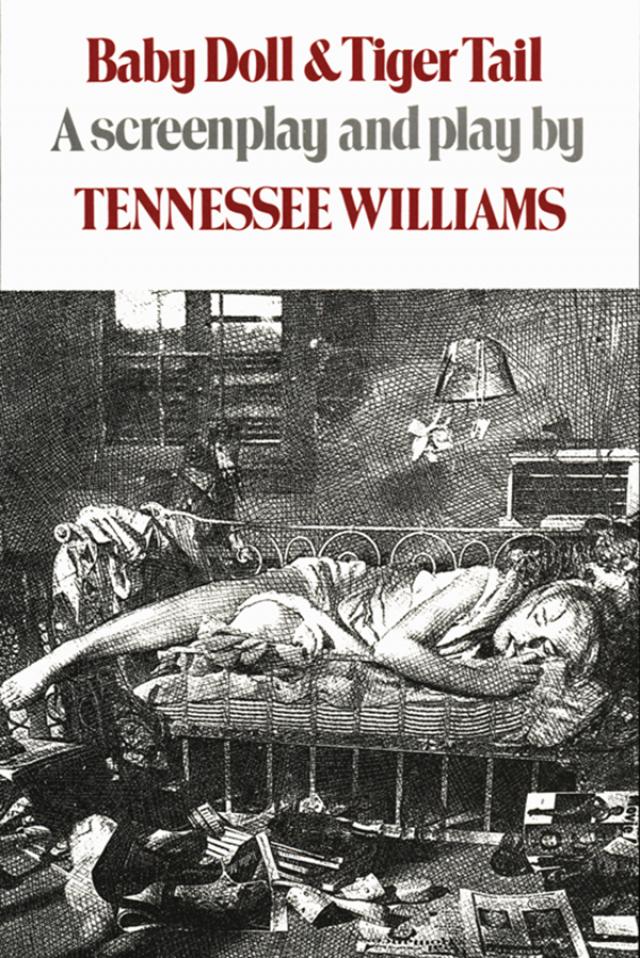
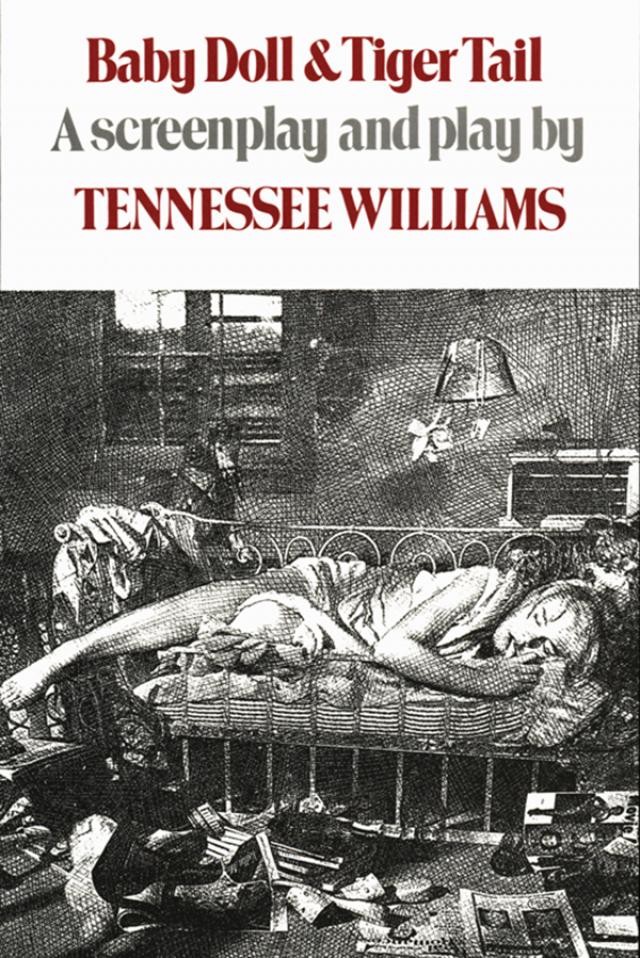
In 1956, Time magazine called Tennessee Williams’ Baby Doll "just possibly the dirtiest American-made motion picture that has ever been legally exhibited." The taut, vivid drama of a voluptuous child-bridge, who refuses to consummate her marriage to an older, down-on-his-luck cotton-gin owner in Tiger Tail County, Mississippi until she is "ready," has gained in humor and pathos over the years as society has caught up with the author’s savagely honest view of bigotry and lust in the rural South. But Tennessee Williams was first and foremost a writer for the stage, and this reissue of his original screenplay for the Elia Kazan movie of Baby Doll is now accompanied by the script of the full-length stage play, Tiger Tail, developed from that screenplay during the ’70s. The text, which incorporates the author’s final revisions, records the play as it was produced at the Hippodrome Theatre Workshop in Gainesville, Florida, in 1979.
Read online
  • 274
Memoirs

Memoirs

Tennessee Williams

Theater

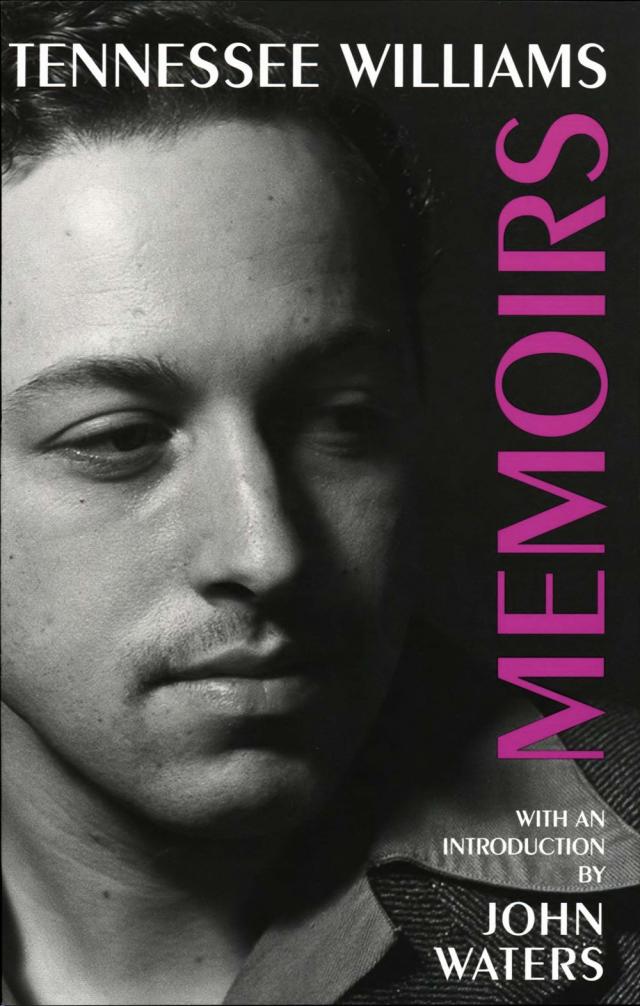
When Memoirs was first published in 1975, it created quite a bit of turbulence in the mediathough long self-identified as a gay man, Williams' candor about his love life, sexual encounters, and drug use was found shocking in and of itself, and such revelations by America's greatest living playwright were called "a raw display of private life" by The New York Times Book Review. As it turns out, thirty years later, Williams' look back at his life is not quite so scandalous as it once seemed; he recalls his childhood in Mississippi and St. Louis, his prolonged struggle as a "starving artist," the "overnight" success of The Glass Menagerie in 1945, the death of his long-time companion Frank Merlo in 1962, and his confinement to a psychiatric ward in 1969 and subsequent recovery from alcohol and drug addiction, all with the same directness, compassion, and insight that epitomize his plays. And, of course, Memoirs is filled with Williams' amazing friends from the worlds of stage, screen, and literature as heoften hilariously, sometimes fondly, sometimes notremembers them: Laurette Taylor, Gore Vidal, Truman Capote, Elia Kazan, Marlon Brando, Vivian Leigh, Carson McCullers, Anna Magnani, Greta Garbo, Elizabeth Taylor, and Tallulah Bankhead to name a few. And now film director John Waters, well acquainted with shocking the American public, has written an introduction that gives some perspective on the various reactions to Tennessee's Memoirs, while also paying tribute to a fellow artist who inspired many with his integrity and endurance.
Read online
  • 265
The Traveling Companion & Other Plays

The Traveling Companion & Other Plays

Tennessee Williams

Theater

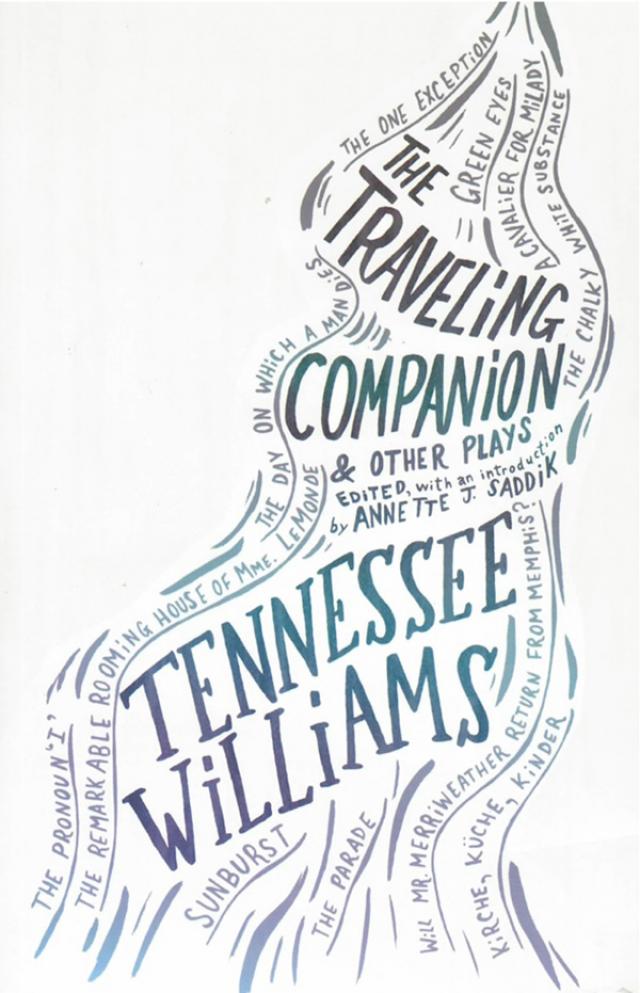
Twelve previously uncollected experimental shorter plays: The Chalky White Substance • The Day on Which a Man Dies (An Occidental Noh Play) • A Cavalier for Milady • The Pronoun "I" • The Remarkable Rooming House of Mme. LeMonde • Kirche, Küche, Kinder (An Outrage for the Stage) • Green Eyes • The Parade • The One Exception • Sunburst • Will Mr. Merriwether Return from Memphis? • The Traveling CompanionEven with his great commercial success, Tennessee Williams always considered himself an experimental playwright. In the last 25 years of his life his explorations increased—especially in shorter forms and one-act plays—as Williams created performance pieces with elements of theater of the absurd, theater of cruelty, theater of the ridiculous, as well as motifs from Japanese forms such as Noh and Kabuki, high camp and satire, and with innovative visual and verbal styles that were entirely his...
Read online
  • 244
Baby Doll & Tiger Tail

Baby Doll & Tiger Tail

Tennessee Williams

Theater

A taut, vivid drama of a voluptuous child-bridge who refuses to consummate her marriage to an older, down-on-his-luck cotton-gin owner.In 1956, Time magazine called Tennessee Williams' Baby Doll "just possibly the dirtiest American-made motion picture that has ever been legally exhibited." The taut, vivid drama of a voluptuous child-bridge, who refuses to consummate her marriage to an older, down-on-his-luck cotton-gin owner in Tiger Tail County, Mississippi until she is "ready," has gained in humor and pathos over the years as society has caught up with the author's savagely honest view of bigotry and lust in the rural South. But Tennessee Williams was first and foremost a writer for the stage, and this reissue of his original screenplay for the Elia Kazan movie of Baby Doll is now accompanied by the script of the full-length stage play, Tiger Tail, developed from that screenplay during the '70s. The text, which incorporates the author's final revisions, records the play...
Read online
  • 68
Orpheus Descending and Suddenly Last Summer

Orpheus Descending and Suddenly Last Summer

Tennessee Williams

Theater

Two of Tennessee Williams's most revered dramas in a single paperback edition for the first time.Orpheus Descending is a love story, a plea for spiritual and artistic freedom, as well as a portrait of racism and intolerance. When charismatic drifter Valentine Xavier arrives in a Mississippi Delta town with his guitar and snakeskin jacket, he becomes a trigger for hatred and a magnet for three outcast souls: storekeeper Lady Torrance, "lewd vagrant" Carol Cutrere, and religious visionary Vee Talbot.Suddenly Last Summer, described by its author as a "short morality play," has become one of his most notorious works due in no small part to the film version starring Elizabeth Taylor, Katharine Hepburn, and Montgomery Clift that shocked audiences in 1959. A menacing tale of madness, jealousy, and denial,the horrors in Suddenly Last Summer build to a heart-stopping conclusion.With perceptive new introductions by playwright Martin Sherman — he reframes...
Read online
  • 58


The Glass Menagerie

The Glass Menagerie

Tennessee Williams

Theater

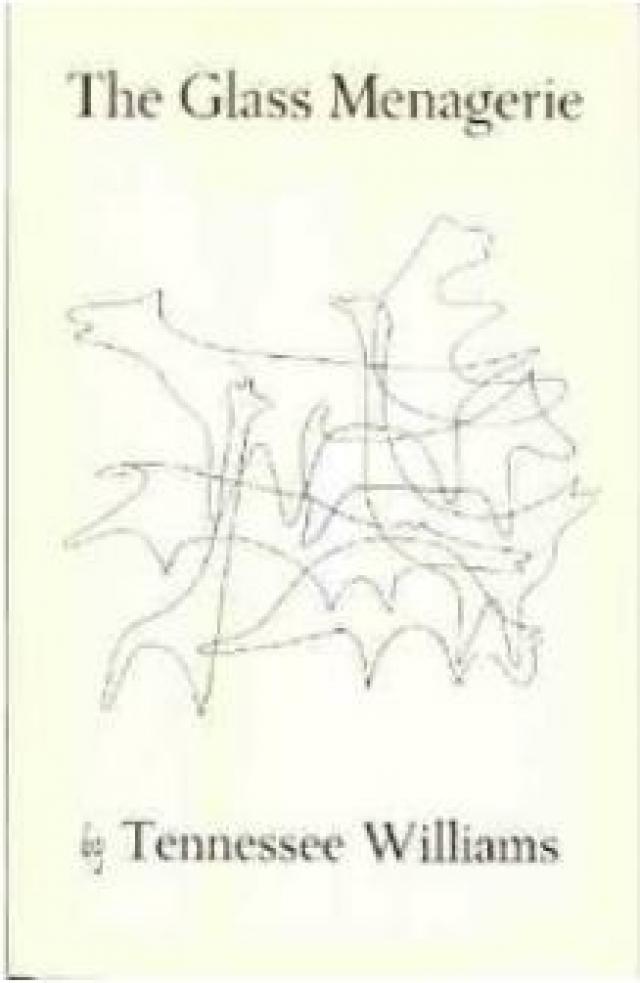
No play in the modern theatre has so captured the imagination and heart of the American public as Tennessee Williams’s The Glass Menagerie. Menagerie was Williams’s first popular success and launched the brilliant, if somewhat controversial, career of our pre-eminent lyric playwright. Since its premiere in Chicago in 1944, with the legendary Laurette Taylor in the role of Amanda, the play has been the bravura piece for great actresses from Jessica Tandy to Joanne Woodward, and is studied and performed in classrooms and theatres around the world. The Glass Menagerie (in the reading text the author preferred) is now available only in its New Directions Paperbook edition. A new introduction by prominent Williams scholar Robert Bray, editor of The Tennessee Williams Annual Review, reappraises the play more than half a century after it won the New York Drama Critics Circle Award: “More than fifty years after telling his story of a family whose lives form a triangle of quiet desperation, Williams’s mellifluous voice still resonates deeply and universally.” This edition of The Glass Menagerie also includes Williams’s essay on the impact of sudden fame on a struggling writer, “The Catastrophe of Success,” as well as a short section of Williams’s own “Production Notes.” The cover features the classic line drawing by Alvin Lustig, originally done for the 1949 New Directions edition.
Read online
  • 18
A Streetcar Named Desire

A Streetcar Named Desire

Tennessee Williams

Theater

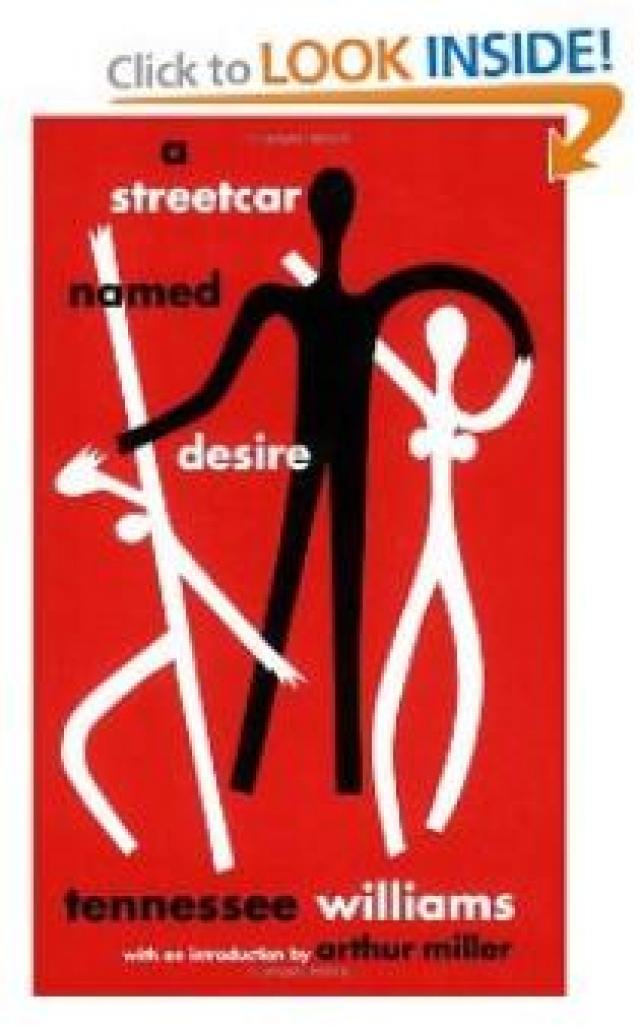
It is a very short list of 20th-century American plays that continue to have the same power and impact as when they first appeared—57 years after its Broadway premiere, Tennessee Williams' A Streetcar Named Desire is one of those plays. The story famously recounts how the faded and promiscuous Blanche DuBois is pushed over the edge by her sexy and brutal brother-in-law, Stanley Kowalski. Streetcar launched the careers of Marlon Brando, Jessica Tandy, Kim Hunter and Karl Malden, and solidified the position of Tennessee Williams as one of the most important young playwrights of his generation, as well as that of Elia Kazan as the greatest American stage director of the '40s and '50s. Who better than America's elder statesman of the theater, Williams' contemporary Arthur Miller, to write as a witness to the lightning that struck American culture in the form of A Streetcar Named Desire? Miller's rich perspective on Williams' singular style of poetic dialogue, sensitive characters, and dramatic violence makes this a unique and valuable new edition of A Streetcar Named Desire. This definitive new edition will also include Williams' essay "The World I Live In," and a brief chronology of the author's life.
Read online
  • 16