

The woman who couldnt wa.., p.43
The Woman Who Couldn't Wake Up,
p.43


Kennedy, Edward, 120–121
kidney disease patients, 24–25
Kilduff, Tom, 226, 227
Kimmel, Diana, 102–108, 107f, 119, 139, 145, 148, 242, 253
Kimmel, Jimmy, 14
Kleine-Levin syndrome, 16, 45, 102
Kleine Levin Syndrome Foundation, 247
Kleitman, Nathaniel, 65, 85
Koella, Werner, 88
Kosten, Thomas, 217
Krueger, James, 87–88, 92–93
Kuniomi Ishimori, 85
Kushida, Clete, 52
Laborit, Henri, 212
Lafon Laboratories, 199
Lammers, Gert Jan, 245
Lancet, 132, 154, 213
Lavie, Peretz, 125
Leber, Paul, 201
Lecendreux, Michel, 191
Legendre, Rene, 85
legitimacy deficit, 5, 217
Leng, Gareth, 149
Le probleme physiologique du sommeil (Pieron), 85
Levey, Allan, 50–51
Limbaugh, Rush, 27
liver disease, 131–134
liver dysfunction, 133–134
Living with Hypersomnia conference (2014), 2, 115–117, 136
Living with Hypersomnia website, 108, 110–113
long COVID, 5
long sleep IH, 165, 168, 239
lumbar puncture, 9, 33, 104, 116, 138, 193, 247
maintenance of effect study design, 248
Maintenance of Wakefulness Test (MWT), 58, 200, 209, 229
Major Somnolence Disorder Facebook group, 110
Mallare, Meghan, 148, 257
Mamelak, Mortimer, 213
Marczynski, Thaddeus, 125
Maski, Kiran, 244
Mauthner, Ludwig, 154–155
Mayo Clinic Laboratories, 193
McIlwain, Henry, 90
McKusick, Victor A., 1, 7
meclonazepam, 128
medically refractory sleepiness, 45
melatonin measures, 161
Mendelson, Wallace, 129–130
methylphenidate, 19, 73, 109, 116, 139–141, 196–197, 200, 205, 237, 257
mice studies, 146–147
midazolam, 34, 39, 42, 128–129
Mignot, Emmanuel, 183–187, 184f, 190, 245
migraine headache, 5, 62, 167, 223
modafinil: authorization challenges, 197–198; benefit-risk ratio, 204–205, 256–257; Cephalon and, 199–204; clinical trials, 199–209; early development, 199; EDS and, 201; as first-line option, 206–208, 207t; idiopathic hypersomnia and, 8–9, 17, 100; introduction to, 195–197; market approval, 198–199; physical experiences with, 103; subjective vs. objective endpoints, 208–209
Möhler, Hanns, 121–123
Mollaret, Pierre, 66–67
Monk, Timothy, 202
monoclonal antibodies, 50
Moody, Olivia, 84, 135, 143
MRI (magnetic resonance imaging), 236, 238
MSLT. See Multiple Sleep Latency Test
multiple sclerosis, 5, 12, 57, 66, 182, 191, 197–198, 203, 209, 219–221, 255
Multiple Sleep Latency Test (MSLT): criticism of, 19, 106; daytime sleepiness, 230–231; development of, 18; as diagnostic standard, 13; hypocretin measures and, 192–193; IH experience and, 8, 60–64, 61f; narcolepsy and, 49–64; partial hypocretin loss, 192; REM sleep and, 56–57, 59–61; variability in, 243
muramyl peptides, 87
Murray, Cate, 118
myalgic encephalomyelitis, 5, 16, 260. See also chronic fatigue syndrome
naloxone, 34–35, 132
naltrexone, 112–113, 259
narcolepsy: authorization challenges, 197–198; cataplexy and, 54–56; classification scheme for, 20–22, 21f; defined, 8, 14, 18, 72, 224–225, 245; diagnosis difficulty, 174–175; in dogs, 183–185, 184f; hope for successful treatment, 251–253, 254f; hypocretin/orexin and, 18, 165, 175–181, 178f; introduction to, 1–5; Multiple Sleep Latency Test and, 49–64; onset and diagnosis, 173; relationship to IH, 12–19, 17f; REM sleep and, 8, 14, 56–57; sleep research on, 66–68; standard test for, 3
Narcolepsy and Hypersomnia from the Aspect of Physiology of Sleep (Roth), 72–73
Narcolepsy Network, 100, 105–106, 115, 119, 172, 183–184
narcolepsy spectrum disorder, 244
narcolepsy type 1: autoimmune mechanism and, 18; cataplexy and, 169–173; disturbed nighttime sleep, 175; HLA genetic link, 186; hypothalamus and, 156; MSLT’s unreliability without, 106; symptoms, 15t
narcolepsy type 2, 14, 15t, 147, 192
narcolepsy with cataplexy, 8, 14, 70, 76, 161, 171, 175, 185, 200, 218, 222, 224–225
narcolepsy without cataplexy, 45, 59, 71, 76, 97, 102, 165, 183, 185, 192, 234
narcoleptic tetrad, 56
natalizumab, 191
National Center on Sleep Disorders Research (National Institutes of Health), 106
National Institute of Neurological Disorders and Stroke (NINDS), 45–46, 137
National Institutes of Health, 16, 106, 109–110, 126–127, 247
National Institutes of Mental Health, 79
National Multiple Sclerosis Society, 221
National Organization for Rare Disorders, 215
Nature, 123, 124
Nature Genetics, 186
Nature Medicine, 101
Nauta, Walle, 157
nemuri factor, 92–93
neurodegenerative diseases, 25, 53, 71, 162
neuroinflammation, 156
neurolinguistic programming (NLP), 108–109
neurosteroids, 127, 134–135
neurotransmitters, 29–31, 90, 121, 176–177
Nevšímalová, Soňa, 71–76
New England Journal of Medicine, 28, 100, 133
Newsday, 125
Newsweek, 124
New York magazine, 198
New York Times, 29, 89, 200, 202, 250
Nishino, Seiji, 185
norepinephrine, 29–30, 175, 179, 206, 226
nucleus accumbens, 30, 226
obstructive sleep apnea, 1–2, 8, 13, 60, 62–64, 147, 202, 206, 228–230, 233, 254–255
Ode to Joy (film), 174
Ondo, Bill, 35
O’Neil, George, 112–113
Orphan Drug Act (1983), 198, 214
Orphan Medical, 214–216
oxybate. See gamma-hydroxybutryate
oxytocin, 180
Pack, Allan, 202
Page-Rye, Catherine, 105–106, 117–118
Pandemrix vaccine, 187–188
Pappenheimer, John, 86–87, 92–93
Parker, Kathy, 1–2, 11, 23–26, 24f, 30–34, 35–45
Parkes, David, 183
Parkinson’s disease, 25, 27, 52–53, 58–59, 192, 209
partial hypocretin loss, 192
Partinen, Markku, 187
patch clamping, 32–34, 82–84, 83f, 136–137
Patient-Focused Drug Development program, 110, 211–212
Paul, Steven, 127
pedunculopontine nucleus (PPN), 51, 53–54
pentylenetetrazol (PTZ), 145–148, 195, 209, 257
People magazine, 42
PET (positron emission tomography), 238–239
Pieron, Henri, 78, 85–86
Pieschel, Anna Sumner: anecdotal nature of responses, 100–101; background on, 7–11; clarithromycin and, 95–96, 100; flumazenil and, 7, 34, 37–46, 79–80, 97–98, 112, 131–133, 242; GABA and, 30–31, 33–34, 257; impact of research on, 242–243, 251, 259; introduction to excessive sleeping, 1–5; MSLT and, 13; Kathy Parker and, 23–26, 29–30, 33–34, 43–45; publications and reports on, 101–102; David Rye and, 20–23, 45–46; somnogen in cerebrospinal fluid research, 79–81; stimulants and, 159–160; James Sumner and, 47–48, 140
Pieschel, Nick, 137
pitolisant, 206–208, 245, 248–249
Plante, David, 118, 230–234
polysomnogram (PSG), 61f
postdormital hypersomnia, 76
post-traumatic stress disorder, 31
postviral chronic illnesses, 5
Powell, Diane, 118, 246
Prader-Willi syndrome, 249
prazosin, 179, 226
prepro-orexin gene, 165
primary hypersomnia, 97, 102, 137
Process S, 160
progesterone, 127
Project Sleep, 246, 252
Prometa protocol, 144
psychiatric disorders, 5, 72–74, 152, 204, 218
psychomotor vigilance test, 39, 97–98, 117, 229, 231, 241
Ptacek, Louis, 166–168
PTZ. See pentylenetetrazol
race disparities in IH diagnoses, 254–256
randomized discontinuation study design, 248
Ravenholt, Reimert, 154
rebound sleep, 29
Rechtschaffen, Allan, 75–76
REMS (Risk Evaluation and Mitigation Strategies) programs, 250
REM sleep: cataplexy and, 178–180; IH and, 13; Multiple Sleep Latency Test and, 56–57, 59–61; narcolepsy and, 8, 14, 56–57
Ressler, Kerry, 31
restless leg syndrome (RLS), 26–29, 46–47, 52, 54
Restless Legs Syndrome Foundation, 118
restorative sleep, 167, 211, 226, 232
Ritchie, Jim, 101
Romazicon. See flumazenil
Roth, Bedřich, 11–12, 16, 57, 65–78, 66f, 156, 161, 163, 208, 238
Roth, Tom, 57, 58, 60, 209
Roth hypersomnia syndrome, 246
Rothova, Anniki, 67, 75
rotigotine, 139
Rye, David: flumazenil and, 35, 37–48, 96–98, 112–117; Hypersomnia Foundation, 4, 105–108, 107f; Multiple Sleep Latency Test and, 49–64; Anna Sumner Pieschel and, 20–23, 45–46; research on IH, 2–3, 9, 20–23, 25–29, 27f, 28f
Sacks, Oliver, 152
Saini, Prabhjyot, 99f, 116
Sallusto, Federica, 190
Saper, Clifford, 51, 102, 158
sarmazenil, 130–131
Scammell, Thomas, 181, 245
Scharf, Martin, 213–214, 217, 218
Schenck, Carlos, 237
Schoch, Peter, 130
Science, 129–130
Science News, 126
Science Translational Medicine, 101, 102
Scientific American, 86, 167
Scollo-Lavizzari, Giuseppe, 131–132
Sehgal, Amita, 92–93
seizures, 7, 9, 36–37, 96, 103–104, 112–113, 122–123, 129, 146, 171, 185
serotonin, 88–90, 175
sex disparities in IH diagnoses, 254–256
short sleep IH, 166–168
Siegel, Jerry, 177
SIK3 enzyme, 93–94
single nucleotide polymorphisms (SNPs), 164
SK Biopharmaceutical, 206
Skolnick, Phil, 133–134
sleep apnea. See obstructive sleep apnea
sleep attacks, 55, 59, 182, 213
sleep-deprived animals, 3, 84–86, 92–94
sleep drunkenness, 12, 14–15, 69–76, 237–239
sleep inertia, 14, 93, 138, 142–144, 153, 158, 165, 208–211, 237–238, 241, 248, 251
sleepiness biomarkers: Thien Thanh Dang-Vu and, 234–236, 235f; default mode network, 235–238; imaging sleep drunkenness, 237–239; introduction to, 228–230; laboratory sleep research, 241; David Plante and, 230–234; slow wave sleep, 232–234; wrist actigraphy device, 239–240
sleeping pill overdose, 7
sleep latency, 57–58, 61f, 78, 142, 205, 208, 232, 245. See also Multiple Sleep Latency Test
Sleep Medicine, 222
sleep-onset REM, 49, 52, 56–57
sleep paralysis, 14, 49, 56, 59, 103, 109, 178, 214, 244
Sleep Review, 60, 63
sleepyhead, 4, 105, 113
slow wave sleep, 89, 160, 167, 213, 226, 232–234, 237
Snyder, Solomon, 124
Social Security Disability Insurance, 118
Society for Neuroscience, 54
solriamfetol, 206, 245, 249
somnogen in cerebrospinal fluid research: adenosine and, 89–94; beginnings of, 45, 79–82; customized equipment for, 82–84, 83f; DSIP and, 89–90; Factor S, 86–88; flumazenil and, 139–140; French research, 142–143; funding for, 135–137; hypnotoxin, 79, 84–86, 155; implications for IH, 88, 160; Andrew Jenkins and, 45, 79–84, 83f; patch clamping, 32–34, 82–84, 83f, 137; retrospective analysis, 137–139; serotonin and, 88–90, 175; in sleep-deprived animals, 84–86, 92–94
Šonka, Karel, 67–68
South Dakota–based CORDS (Coordination of Rare Diseases at Sanford), 118–119
SPECT (single photon emission computed tomography), 236
Spire, Paul, 51
spoon theory, 119
SSRI (selective serotonin reuptake inhibitor), 171
Stanford Center for Narcolepsy, 255
Stanford Sleepiness Scale, 46
Sternbach, Leo, 121
Stevens, James, 255–256
Sumner, James, 47–48, 140
suprachiasmatic nucleus (SCN), 161–162
suvorexant, 177, 180
symptomatic hypersomnia, 156
Tafti, Medhi, 178
Takeda Pharmaceutical Company, 180, 249
Talk About Sleep website, 110
T cells, 190–192
thalamus, 50, 89, 155, 226, 232–233
Thanh, Le Van, 76
This American Life (Frerking), 174
Thomas, Robert, 160
3-HMC inverse agonist, 129–131
Toda, Hirofumi, 92
Today Show (NBC), 101–102
traumatic brain injury, 55, 74, 185
treatment-refractory hypersomnolence, 138
Trotti, Lynn Marie, 95–96, 98–99, 99f, 115–117, 196, 211, 238–239, 250
tuberomammilary nucleus (TMN), 194
Twery, Michael, 106
two-process model, 160
United Healthcare, 197–198
upper airway resistance syndrome (UARS), 78
vaccine skepticism, 187–189
Valium, 2, 9, 34, 36, 120–121, 131
vegetative dystonia, 73
vitamin D deficiencies, 13
VLPO (VentroLateral PreOptic area), 158–159, 159f, 175
Vogel, Gerald, 53
von Economo, Constantin, 151–152, 151f, 154–157, 155f
Vymazal, Joseph, 77
Waking Mathilda (Wylds-Wright), 175
Walker, Matthew, 90
Wall Street Journal, 102
Washington Post, 28, 130
Westphal, Karl, 182
Why We Sleep (Walker), 90
Willis, Thomas, 26
Willis-Ekbom disease, restless leg syndrome (RLS)
Wilson, S. A. Kinnier, 56
World Sleep Congress (2017), 16, 147
World Sleep Congress (2019), 209
wrist actigraphy device, 239–240
Wylds-Wright, Claire, 175
Xanax, 2, 9, 131
Xyrem, 172, 210–212, 216–227, 250
Xywav, 210–212, 248–250, 257, 259
Yanagisawa, Masashi, 93, 164, 184–185
Ying-Hui Fu, 166–168
Zeitzer, Jamie, 91
Ziegler, Walter, 123, 132
Zvosec, Deborah, 216, 222
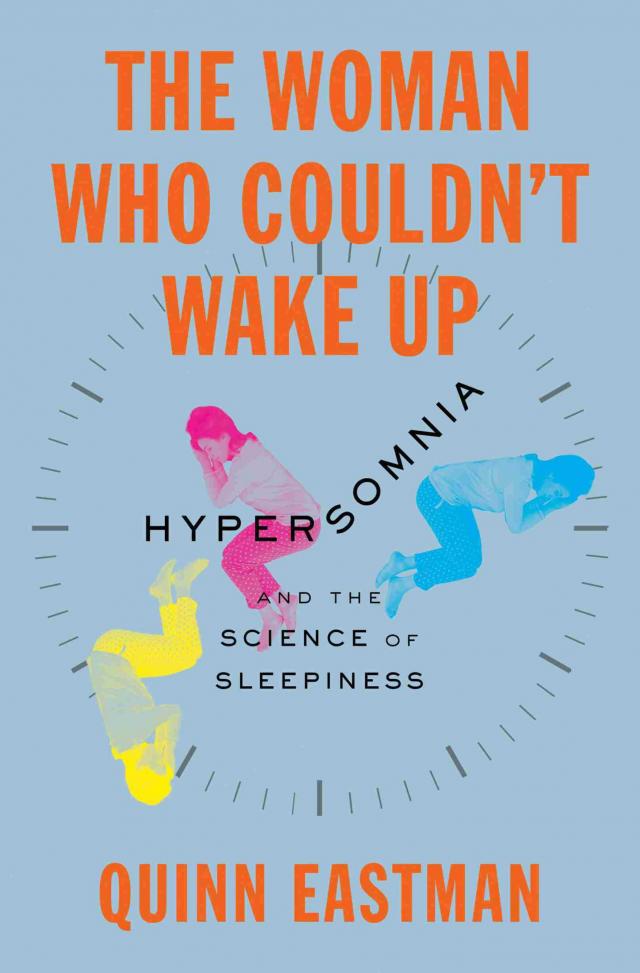
Quinn Eastman, The Woman Who Couldn't Wake Up


