Six plays, p.80
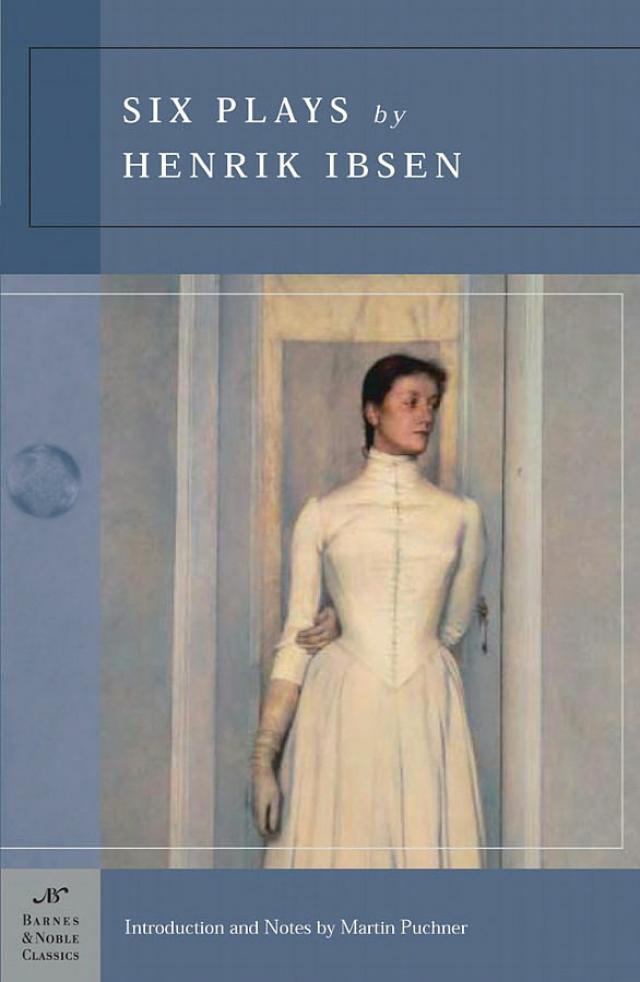
Six Plays,
p.80


126 Chamberlain (Kammerherre) is a distinction conferred by the King on men of wealth and position, and is not hereditary. (Translator’s note)
127 A rendezvous (French) is an intimate date. All foreign words used in the translation appear in the original.
128 Damn (French).
129 Leg of lamb (French). Mouton (sheep) is also a derogatory expression for sim plemindedness.
130 Knowing how to lead a pleasurable life (French).
131 Suitcase (French).
132 A phrase equivalent to the German Prosit die Mahlzeit—“May good digestion wait on appetite.”
133 In the original du, the familiar “you,” like tu in French; people use the familiar “you” when addressing those with whom they are closest.
134 Pills (French).
135 An Italian cherry liqueur.
136 The “sunshine” of Court favour. (Translator’s note)
137 Image (French); here it means display, as in display of affection.
138 A New and Universal History of the Cities of London and Westminster, by Walter Har rison. London, 1775, folio. (Translator’s note)
139 Gregers here uses the old-fashioned expression havsens bund, while Hedvig would have him use the more commonplace havets bund or havbunden.
140 By Norwegian law [at this time], before a widower can marry again, a certain proportion of his property must be settled on his children by his former marriage. (Translator’s note)
141 Livslögnen,—literally, “the life-lie.” (Translator’s note)
142 Tesman, whose Christian name in the original is “Jörgen,” is described as stipen diat i kulturhistorie—that is to say, the holder of a scholarship for purposes of research into the History of Civilisation. (Translator’s note)
143 In the original “Assessor.” (Translator’s note)
144 In the original Statsrådinde Falks villa—showing that it had belonged to the widow of a cabinet minister. (Translator’s note)
145 Area in Belgium.
146 Du is the familiar “you,” like tu in French; people use the familiar “you” when addressing those with whom they are closest.
147 See the note on pg. 593.
148 Mrs. Elvsted here uses the formal pronoun De, whereupon Hedda rebukes her. In her next speech Mrs. Elvsted says du. (Translator’s note)
149 Good-bye (French). All foreign words used in the translation appear in the original.
150 Bagveje means both “back ways” and “underhand courses.”
151 As this form of address is contrary to English usage, and as the note of familiarity would be lacking in “Mrs. Tesman,” Brack may, in stage representation, say “Miss Hedda,” thus ignoring her marriage and reverting to the form of address no doubt customary between them of old. (Translator’s note)
152 A tête-à-tête (French) is an intimate, face-to-face encounter.
153 He uses the familiar du. (Translator’s note)
154 From this point onward Lövborg uses the formal De. (Translator’s note)
155 In this speech he once more says du. Hedda addresses him throughout as De. (Translator’s note)
156 Evening gathering (French).
157 Quarrel.
158 Literally, “That you burn for me.” (Translator’s note)
159 In the original Appelsinia, appelsin meaning “orange.” (Translator’s note)
Henrik Ibsen, Six Plays