You dont know us negroes.., p.45
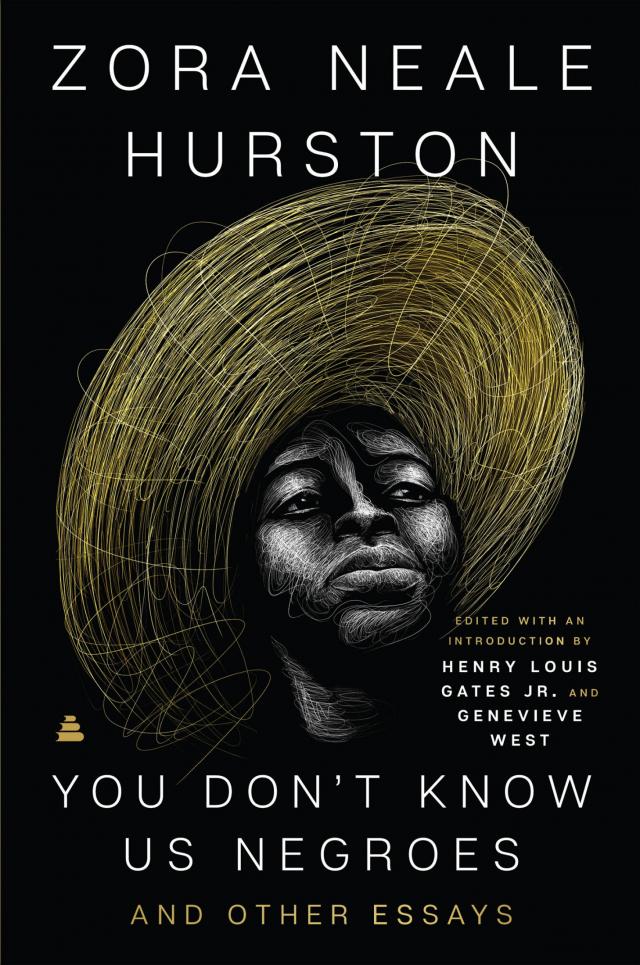
You Don't Know Us Negroes and Other Essays,
p.45


The Life Story of Mrs. Ruby J. McCollum!
1. This is not a proverb as Hurston suggests. Rather, it is a translation of the Qur’an 17:13, which states that each person controls his or her own destiny.
2. Hurston refers to Napoleon Bonaparte (1769–1821), the celebrated military leader and emperor of France from 1804–1814.
3. Victoria Nyansa is a variant spelling of Victoria Nyanza, a large lake crossing the national boundaries of Tanzania, Uganda, and Kenya.
4. Reverend Leonard Francis Morse (1891–1961) was one of three founding members of Phi Beta Sigma Fraternity in 1914 at Howard University.
5. Open range ranching existed in Florida until after World War II when it was discontinued in order to protect new species of cattle from disease harbored and better resisted by older species of “Florida cow.” For a discussion of this transition, see W. Theodore Mealor Jr. and Merle C. Prunty, “Open-Range Ranching in Southern Florida,” Annals of the Association of American Geographers 66, no. 3 (September 1976): 360–76.
6. We believe this to be Leonard Francis Morse, b. 1891
7. Hurston’s reference to the pear tree echoes the images she used in Their Eyes Were Watching God. For a discussion of these similarities see Roberta S. Maguire, “From Fiction to Fact: Zora Neale Hurston and the Ruby McCollum Trial,” Literary Journalism Studies 7, no. 1 (Spring 2015): 17–34.
8. An editorial or typesetting error apparently mistakenly cut a passage from the text. The original reads as it does here.
9. The poetic line that Hurston quotes comes from “The Rosary” by Robert Cameron Rogers (1862–1912), which can be found in Edmund Clarence Stedman, ed., An American Anthology 1787–1900 (Boston: Houghton Mifflin, 1900), 691.
10. Rogers, “The Rosary,” 691.
11. Rogers, “The Rosary,” 691.
12. Despite the promise of additional stories about Ruby McCollum’s life by Hurston, this is the last one the editors have been able to identify.
My Impressions of the Trial
1. This essay was enclosed in Hurston’s letter to William Bradford Huie dated May 14, 1954.
2. Hyssop is an herb, precisely which plant is still debated, used in Exodus 12:21–23 of the Bible. Moses advises the Israelites on Passover to dip hyssop into the blood of a sacrificed lamb and mark their doorways with it in order that the Lord might pass them by. It protected the home from the death of the firstborn, a curse upon Pharaoh, who was refusing to emancipate the Israelites.
3. The parable of Dives (a rich man) and Lazarus (a poor man) appears in Luke 16:19–25 in the Bible. While the rich man prospers on earth, he is tortured in hell after his death. Lazarus suffers on earth but in heaven is at Abraham’s side. The rags-to-riches Cinderella folktale exists in many cultural traditions. See Jacob Grimm and Wilhelm Grimm, Grimm’s Complete Fairy Tales, ed. Ken Mondschein, trans. Margaret Hunt (San Diego: Canterbury Classics, 2011), 81–86. Hurston may be alluding to tales in which a peasant presents the king’s daughter with an unsolvable riddle and thereby wins the right to marry her. For the Russian version, see “The Princess Who Wanted to Solve Riddles,” The Complete Russian Folktale: v. 6: Russian Tales of Love and Life, ed. Jack V. Haney (Armonk, NY: M.E. Sharpe, 2006), 4–6. Dick Whittington is a medieval historical figure who served as Lord Mayor of London. In spite of the fact that Whittington himself came from a wealthy family, a tale bearing his name titled “Dick Whittington and His Cat” follows a rags-to-riches plotline, which seems to be the point of Hurston’s allusion. A version appears in Marcia Brown, Dick Whittington and His Cat (New York: Atheneum, 1988).
4. Hurston alludes here to Isaiah 11:6 in the Bible. The passage is part of Isaiah’s prophesy for a world at peace.
5. Millard Fillmore Caldwell (1897–1984), who was white, served as governor of Florida from 1945–1949.
6. Marcus Garvey (1887–1940) was a Jamaican-born activist, publisher, and orator with a Black Nationalist message who led the Universal Negro Improvement Association in the United States. Hurston here alludes to “the lily-maid” of Astolat, a figure from Arthurian legend who dies when Arthur fails to return her love. The story appears in Sir Thomas Mallory’s Le Morte d’Arthur (1485). See P. J. C. Field, ed., Sir Thomas Mallory: Le Morte Darthur: The Definitive Original Text Edition (Suffolk: Boydell & Brewer, 2017).
7. Following this essay, Hurston outlined notes and additional impressions that scholars might find helpful. See that typescript housed in Documents Relating to the Trial of Ruby McCollum for the Murder of Dr. LeRoy Adams, Live Oak, Florida, 1954, Special and Area Studies Collections, George A. Smathers Libraries, University of Florida, Gainesville, Florida.
Index
A specific form of pagination for this digital edition has been developed to match the print edition from which the index was created. If the application you are reading this on supports this feature, the page references noted in this index should align. At this time, however, not all digital devices support this functionality. Therefore, we encourage you to please use your device’s search capabilities to locate a specific entry.
abolitionism, 243, 252
Abomey, Benin, 39, 40
Abraham, 108, 185, 195
Adams, Doctor C. LeRoy, 18–22, 315, 321–327, 329, 334, 336–342, 344–353, 355, 366, 369, 374–377, 379–391, 394, 395, 399–401
Adams, E. C. L., 112
Adams, Florrie, 351–353
Adams, Judge Hal W., 21, 316–317, 320, 327, 329–331, 333–336, 338, 340, 350, 352, 354, 385, 390–392, 396, 400, 401
Adams, Loretta, 341, 343, 345, 346, 350, 351, 353, 377, 379, 389
Adams family, 287
African Legion, 177
African Methodist Episcopal Church, 97
African nose, 195
African religions, 4
African witch smelling, 96, 97
Afro-American Life Insurance Company, 243
Afro-American newspaper, 165
Alabama, 1, 38, 42, 45, 50–51, 305
Alabama River, 45
Allen, Edward, 92
“Alma Mater,” 151
Along This Way (J. W. Johnson), 127
Amazons, 39–41
American Communist Party, 270, 274–283, 288–289, 297, 307–311
American Indians, 111, 145
American Museum of Natural History, 145
American Peace Crusade, 270
Andersen, Hans, 110
Anderson, Marian, 292–293
Anglo-Saxon nose, 184–185
angularity, 51
Armstrong, Louis, 137
Arnold, Della, 348
art, 50–52, 123, 125–128
“Art and Such” (Hurston), 8–10, 123–128
Arthur, King of England, 31, 219
Astor, Caroline Schermerhorn, 279
asymmetry, 52–53
Atlanta University, 246, 251
Atlantic Charter, 254
Autobiography of an Ex-Colored Man (J. W. Johnson), 127
Back Street (Hurst), 118
Bad Lazarus, 54
Bailey, Ellen, 100
Baker, Josephine, 309–310
ballads, 76
Baptist church, 79, 82, 90, 92
“Bare Plot Against Ruby” (Hurston), 329–331
Barnard College, 188
Barrymore, John, 126
Bates, Franke, 94
Bates, Jefferson, 94
Bayou Corne, Alabama, 38
Beaufort, South Carolina, 91–92, 95, 99
Begging Joints, 245, 247–250, 252
Belasco, David, 111
Belo, Jane, 81
Benedict, Ruth, 114
Bennett College, 246
Bethune-Cookman University, 227
big bands, 134–136
“Big Boy Leaves Home” (Wright), 129
Bilbo, Theodore G., 222, 234, 285–286, 294
Billings, Josh, 111
“Bits of Our Harlem” (Hurston), 25–27
Black, A. K., 348–350, 397–398, 400
Black, Hugo Lafayette, 240
Black Arts Movement, 17
Black Bottom, 60, 63
Black Bourgeoisie (Frazier), 6
Black English, 3–6, 47–50
“Black Lives Matter” movement, 21
Black Power: A Record of Reactions in a Land of Pathos (Wright), 311
Black preachers, 57
Black Star Steamship and Navigation Line, 175, 178
blackface, 3, 63, 110, 112
Blesh, Rudi, 134–137
blues, 2, 4, 6, 9, 52, 60, 63, 136
Book of American Negro Poetry, The, 7
Bowers, Lloyd Wheaton, 287
Bradford, Roark, 112–114
Brady, Saint Elmo, 167
breathing, 78–79
Brer Rabbit, 4, 30, 33, 112, 192
Bronson, Earl, 200
Brown, Alonzo H., 170
Brown, Gabriel, 136
Brown, George Winston, 155, 171
Brown, John, 221, 234
Brown, Lawrence, 77
Brown, Sterling A., 22, 132
Brown v. Board of Education (1954), 13–15, 18, 296–298, 305
Burleigh, Harry T., 77
Burr, Aaron, 290
Butter Beans and Susie, 64
Cabot family, 287
Caldwell, Millard Fillmore, 397
Calvin, John, 89
Canada, 256–257
Cannon, Frank T., 21, 336–342, 344–350, 352, 378, 397–400
Canterbury Tales (Chaucer), 192
career women, 212–218
carpet-baggers, 259, 264, 265
cattle, 196–203
Central High School, Little Rock, Arkansas, 1, 300–301, 305
Central Life Insurance Company, 242, 352, 353, 370, 380
chanting, 79, 82
Chapin, Paul, 204
“Characteristics of Negro Expression” (Hurston), 3, 47–65
charleston, 60
Chaucer, Geoffrey, 14, 192
cheque words, 47
“Chick with One Hen, The” (Hurston), 3, 131–133
Chickasabogue River (Three Mile Creek), 42
Childers, Lulu Vere, 153
China, 272, 277, 280
Chinese people, 147
Christianity, 4–5, 45–46
Cincinnati, Ohio, 284
civil rights movement, 1, 286
Civil War, 31–32, 221, 243, 252, 301
Cleopatra, 184
Clotilda (slave ship), 38, 42–44
Cohen, Octavus, 112, 113
Cohn, David, 4
Coleman, Frank, 167
collectivism, 275
colleges, 118, 124–125, 226–227, 246–253, 302
Columbia University, 118, 226, 246
Commandment Keeper church, 89
communism, 16, 130, 270–283, 287, 297
concert singers, 76, 77
Congaree Sketches (Adams), 112
Connelly, Marc, 113
Constitution Hall, Washington, D.C, 292–293
Constitution of the United States, 128, 222, 223, 267, 278, 289, 298
conversion visions, 66–71
“Conversions and Visions” (Hurston), 66–71
Cook, George W., 155
Coolidge, Calvin, 113, 156
“Court Order Can’t Make Races Mix” (Hurston), 296–299
Cox, R. H., 347
“Crazy for This Democracy” (Hurston), 13, 20–21, 254–258
Crews, P. Guy, 316–320, 329, 330, 347, 397
Crisis, The (magazine), 307, 308
Crocketville, South Carolina, 99
Cudahy Company, 199
culture heroes, 4, 54, 114
“Culture Heroes” (Hurston), 4
Curry, Samuel Silas, 165
Curry, Thelma, 336, 345, 400
Dabney, John, 45
Dahomey, West Africa, 39–44, 46
Dailey, Carrie, 348
Daily Worker newspaper, 271, 278
dancing, 51–53, 60, 63, 109, 135
Danielson, Jacques, 118–120
Daughters of the American Revolution (DAR), 292
Davis, Jefferson, 320
Davis, Sarah, 358, 361
De Bourg, John Sidney, 179
Declaration of Independence, 137
democracy, 254–256, 258
Democratic Party, 221–223
desegregation, 1, 13–18, 221, 228, 296, 298–301, 305, 307, 310–311
Dett, Nathaniel, 77
Dewey, Thomas E., 221, 223
dialect, 3, 7, 9, 64–65, 78, 128
Dirksen, Everett, 223
“Dixie to Broadway” (show), 61
double descriptive, 49
Douglass, Frederick, 124
Dred Scott Decision (1857), 45
Du Bois, William Edward Burghardt, 2, 175, 178, 240, 270, 282, 302–304, 307
Dugger, B. A., 84
Dunbar, Mary Jane, 96
Durkee, James Stanley, 152–157, 161–163, 165–167, 170–171
Dusk of Dawn: An Essay Toward an Autobiography of a Race Concept (Du Bois), 303–304
Dust Tracks on a Road (Hurston), 11
Dyett, Thomas B., 154
Dying Bed Maker, The, 76
Eatonville, Florida, 186–187
education, 13–18, 226–227, 234–235, 246–252, 286, 296–298, 300–305, 307
Edwards, O. O., 317–319, 331, 338, 341, 347, 348, 397, 400
Eisenhower, Dwight D., 220–223, 307, 309
Elijah, 115
Ellison, Ralph, 22
Emancipation Proclamation, 38, 45, 248
Emory University, 225
“Emperor Effaces Himself, The” (Hurston), 13, 173–181
Ethiopian nose, 185
eye-pops, 109
Fair Employment Practices Committee (FEPC), 258, 261, 268, 286
“Fannie Hurst” (Hurston), 117–122
Fanon, Frantz, 2
Fast, Howard, 271
Federalist Papers, 287
feminism, 10–12
Fernandina, Florida, 126, 127
Ferris, Sir William H., 177
Fessenden Academy, 358–361, 370
Fifteenth Amendment to the Constitution, 128
fighting, 58–59
filibuster, 286
Fisk Jubilee Singers, 63, 64
Fisk University, 77, 147, 226, 246, 248, 251
Florida, 15, 16, 18–21, 125–128, 186–187, 191, 193, 196–203, 225–227, 240, 242, 244, 246, 250, 296–297, 304, 361, 364–366, 368–390, 397
primary election of 1950, 259–263, 267–268, 291
Florida A. and M. University, 246
Florida Agricultural and Mechanical College (FAMC), 226, 227, 244
Florida Statewide Negro Defense Committee, 242
Florida Writers Project, 123n
folklore, 3, 53–55, 76, 114, 123, 131, 138, 140, 147, 192, 306, 394
Ford, Henry, 53–55
Ford, Isadora, 99
Foster, Captain Bill, 42–44
Foster, Stephen G., 315
Four Freedoms, 254
Fourteenth Amendment to the Constitution, 128
Franklin, Benjamin, 282
Frazier, E. Franklin, 6
free Blacks, 124–125, 264, 303
Freedmen’s Bureau, 227
French Antilles, 141
French dances, 135
French language, 192
French revolution, 319
“Full of Mud, Sweat and Blood” (Hurston), 4
Gaines, E. L., 177–179
Galahad, Sir, 219
Garvey, Marcus, 13, 173–181, 400
Gates, J. M., 12
Georgia, 140, 223
Gershwin, George, 63
Gettysburg, Pennsylvania, 221
Ghana, 310, 311
Gilbert, Leon A., 271
Gilbert, W. S., 224
glee clubs, 64, 76–77
God Shakes Creation, 4
God’s Trombones (J. W. Johnson), 7, 127
Goins, James Garfield, 171
Goins, Suzanne Y., 171
“Gointer Study War No Mo,” 151
Goode brothers, 271
Goodwin, Clara, 101
gospel music, 3
Grandfather Clause, 265
Grant, Ulysses S., 287
Graves, John Temple II, 222, 223
Gray, Deputy Sheriff, 347
Grecian nose, 185, 195
Green, Paul, 112
Green Pastures, The (Connelly), 113, 133
Gulf of Guinea, 43
Hagar, 108, 111, 281
Haiti, 255
Hamilton, Alexander, 288
Hamites, 233
Hampton University, 64, 77, 246, 305
Handy, W. C., 136
Hardwick, Harry C., 171
Hardwick, Pezavia Eugene, 171
Harlem, New York, 25–27, 276
Harlem Renaissance, 1, 7
Harrison, Richard B., 113
Harvard University, 124, 225, 302, 303
Hawkins, Virgil D., 304
Hayes, Roland, 57
Hayes, Rutherford B., 265
Hedden, Worth Tuttle, 147
Heflin, J. Thomas, 234
Helen of Troy, 185, 195
Henderson, Odis, 348–350
Henry, Patrick, 320
He’s a Mind Regulator, 76
Heyward, DuBose, 112
Higginbotham, Evelyn Brooks, 7
High John de Conquer, 28–37, 140
“High John de Conquer” (Hurston), 28–37
Hobby, Oveta Culp, 308
Holland, Mary, 229
Holland, Spessard L., 225–227, 229, 349–350
Holmes, Dwight Oliver Wendell, 157
Holy Church of the Living God, 84, 85
Holy Grail, 218, 219
“Honey let yo’ drawers hang low,” 63
hoodoo dance, 109
“How It Feels to Be Colored Me” (Hurston), 13, 186–190
Howard, Oliver Otis, 159
Howard, Willie James, 19
Howard University, 13, 132, 151–172, 246, 248, 251, 305
“Hue and Cry About Howard University, The” (Hurston), 13, 151–172
Huffman, Ernest, 69
Hughes, Langston, 52, 57, 271, 308
human rights, 262
Humoresque: A Laugh on Life with a Tear Behind It (Hurst), 118, 119
Hurst, Fannie, 117–122, 126
Hurston, Lucy, 14
hymns, 79, 80, 136
“I Saw Negro Votes Peddled” (Hurston), 259–269
Ibsen, Henrik, 193
Ickes, Harold, 292
idiom, 3–5, 8, 9, 128